One of the goals of The Quiet Leader’s Podcast is to shine a light on the powerful leadership happening behind the scenes in businesses everywhere. Integrators, operations leaders, project managers, and strategic partners are often the people turning ideas into reality, but their stories aren’t always told.
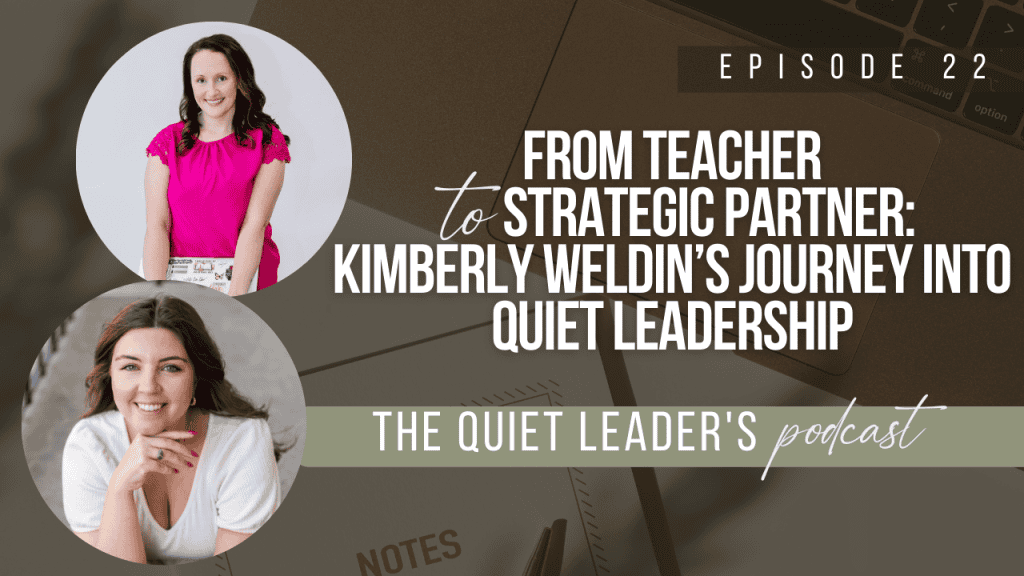
In this episode, I sit down with Certified Integrator Kimberly Weldin, one of the founding members of the Molly Mariss Integrators® Certification Program. Kim shares how she transitioned from teaching to entrepreneurship, how her role evolved from virtual assistant to strategic partner, and what it truly takes to step into quiet leadership behind the scenes.
Her story is an honest look at the mindset shifts, growth, and resilience required to build a sustainable business while supporting visionary leaders.
From the Classroom to Entrepreneurship
Kimberly’s entrepreneurial journey started while she was still teaching in a small town in Southwest Georgia.
After going on maternity leave, she realized she needed more flexibility for her family and more income than teaching provided. When she discovered freelancing, she made a bold decision that required investing nearly all of her savings into a course to learn how to start a virtual assistant business.
Not long after launching her business in 2020, something incredible happened.
By the fall of that same year, she had doubled her teaching income through her freelance work.
Despite that success, Kim still honored her teaching contract and spent an entire school year balancing both roles, teaching full time while building her business on nights and weekends.
It wasn’t easy, but it gave her the confidence she needed to take the leap.
In 2021, she officially left the classroom and stepped fully into entrepreneurship.
The Shift From Virtual Assistant to Strategic Partner
Like many integrators, Kim didn’t start out in a strategic role.
Her business initially focused on virtual assistant services, social media, and digital marketing. But over time, her clients began relying on her for more than just tasks.
One client in particular played a pivotal role in helping Kim recognize her leadership potential.
During a conversation, that client told her:
“You’re more than just a VA. I see you as someone running my business.”
At first, Kim struggled to accept that perspective. Her own insecurities made it difficult to see herself in that way.
But once she stepped back and looked at the situation objectively, she realized something important: she was already doing most of the work that an integrator does.
Her role had naturally evolved into strategic support, project management, and leadership.
The real shift wasn’t external. It was internal.
Why Aligned Clients Matter
Another powerful lesson Kim shared is the importance of working with aligned clients.
Early in business, alignment isn’t always the priority. Most entrepreneurs take the opportunities that come their way in order to gain experience, testimonials, and income.
But over time, you begin to recognize the types of clients that truly feel aligned.
For Kim, that meant identifying who she enjoyed working with most. She discovered that her ideal clients were:
- Women
- Mothers
- Visionary leaders who value relationships
- People who give generously and collaborate well
These relationships allow integrators to develop true strategic partnerships, rather than transactional working relationships.
And those partnerships are where integrators thrive.
Where Integrators Actually Find Clients
A question I hear often is, “Where do integrators actually find clients?”
Kim’s answer may surprise you.
Her best opportunities didn’t come from complicated marketing strategies. Instead, they came from:
- Online communities and Facebook groups
- Referrals from past clients
- Relationships built over time
- Industry groups and professional networks
As she explains, once you begin building connections in the right communities, opportunities naturally start appearing.
You may plant seeds for a while before anything happens, but eventually those seeds grow.
Watch on YouTube
Learning to Filter Out the Noise
One of the most impactful parts of this conversation was Kim’s perspective on the noise of the online business world.
Many entrepreneurs feel pressure from social media messaging that says they should be growing faster, doing more, or achieving success in unrealistic timelines.
Kim experienced this firsthand.
For several years, she found herself constantly consuming advice from different business coaches and experts. Eventually, she realized that too much outside input was actually making it harder to trust herself.
Her solution? Be intentional about what voices you allow into your world.
If something makes you feel inspired, motivated, or supported, it may be worth listening to. But if something leaves you feeling inadequate or pressured, it may be time to unfollow. Building a sustainable business requires learning to trust your own judgment.
The Personal Growth Side of Entrepreneurship
Another truth that often surprises new entrepreneurs is how much personal development is involved in running a business.
Kim shared that entrepreneurship brought up insecurities, fears, and past experiences she hadn’t expected to confront.
But that inner work ultimately helped her grow into the leader she is today.
The skills required to succeed as an integrator (decision-making, communication, leadership, and confidence) are deeply connected to personal growth.
As I often say, building a business is just as much about becoming the person who can lead it.
Leadership That Happens Behind the Scenes
When I asked Kim what leadership looks like in her day-to-day work, her answer highlighted something that often goes unseen.
Kim leads a team within one of the businesses she supports.
But her leadership style isn’t just about managing projects or processes.
Instead, she focuses on creating a supportive and human-centered team culture.
That means:
- Remembering birthdays and milestones
- Building relationships with team members
- Supporting people as individuals, not just employees
- Sharing resources and knowledge generously
For Kim, leadership is about giving more than you receive and creating an environment where everyone feels valued.
Advice for Integrators Stepping Into Leadership
For those who are early in their integrator journey, Kim offered one simple but powerful piece of advice: Give yourself grace.
Every business operates differently, and every integrator role evolves over time.
What works in one company may look completely different in another.
Rather than forcing a rigid structure, the best approach is to:
- Understand the team’s needs
- Deliver quick wins
- Let your role grow naturally over time
Integrators succeed when they balance structure with adaptability.
Final Thoughts
Kimberly’s story is a powerful example of what quiet leadership looks like in action.
She didn’t start out planning to become a strategic partner for visionary CEOs. Her role evolved naturally as she gained experience, built trust with clients, and stepped into her leadership potential.
Her journey also highlights an important truth: The biggest growth in business often happens internally.
Confidence, self-trust, alignment, and resilience are just as important as strategy and skills.
And when those elements come together, integrators can build meaningful careers helping visionary leaders bring their ideas to life.
Connect with Kimberly Weldin
If you’d like to connect with Kim, you can find her on Instagram at @kimberlyweldin. She welcomes conversations with fellow entrepreneurs and integrators who are navigating their own journeys behind the scenes.